
Currently unavailable on Amazon UK
9.46 poundsPrice checked 1 Nov 2026View on Amazon UK(opens in a new tab)
Swimming & Water Sports · Explainer
Learn how to choose the right cap for your swim, focusing on fit, material and features.
Published · 1 min read
When it comes to swimming caps, understanding their specifications can help you make an informed choice. This guide will explain key terms like pile height, stretch, and buoyancy, helping you find the perfect cap for your needs.
A well-fitting cap not only enhances comfort but also improves performance by reducing drag and keeping your hair out of the way.
Material quality is crucial. Silicone caps, known for their buoyancy, are popular among triathletes and open water swimmers who need to stay afloat longer.
The swimming caps we currently track on Amazon UK, ordered by verified customer rating. They are here so you can read a real listing against the explanation above — we have not tested them, and the ratings shown are Amazon's.
Currently unavailable on Amazon UK

Currently unavailable on Amazon UK

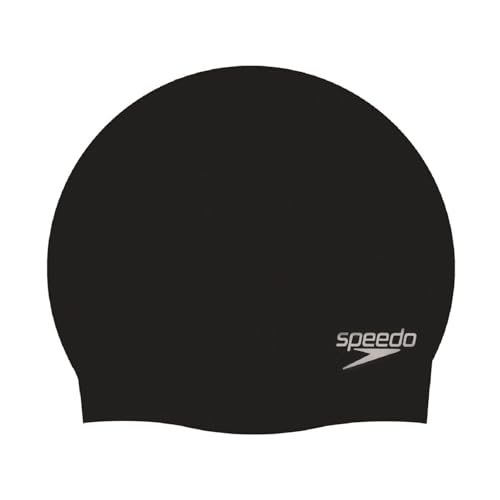
Prices and availability are accurate as of the date shown and may change. Always check the current price on Amazon UK before buying.
As an Amazon Associate we earn from qualifying purchases.
The TrailHaven editorial team. We research and write these explainers from published standards, manufacturer specifications and verified customer feedback on Amazon UK — not from hands-on testing, which we do not claim to have done. Where a figure comes from a test standard we name the standard; where it is a rule of thumb, we say so. Corrections are welcome via the contact page.