30.00 poundsPrice checked 5 Sept 2026View on Amazon UK(opens in a new tab)
Hiking · 6 products
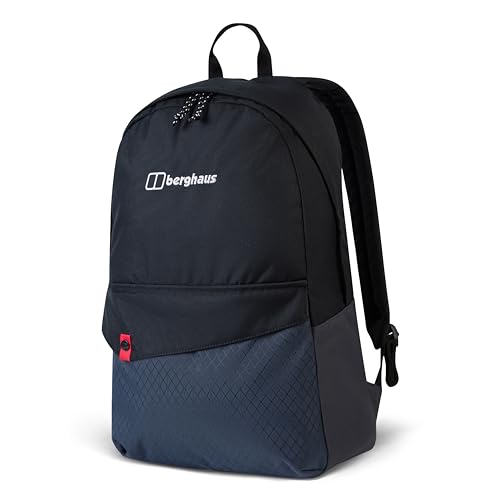
We track 6 backpacks under £30 on Amazon UK, priced from £19.94 to £30.00. Half of them sit at or below £27.99. 6 brands are represented, 1 listing each. The cheapest is the Craghoppers Expert Unisex Kiwi 14 Litre Adjustable Backpack Black at £19.94, the dearest the Berghaus Unisex Brand Bag 25 Litre Backpack| Comfortable Fit | Durable Design | Rucksack for Men and Women Day Packs, Jet Black/Carbon, One Size at £30.00. That is 6 of the 14 backpacks we list in total. Ranking is by verified rating and review volume — never by commission.


Currently unavailable on Amazon UK
Prices and availability are accurate as of the date shown and may change. Always check the current price on Amazon UK before buying.
As an Amazon Associate we earn from qualifying purchases.
Best value in each row is highlighted.
| Product | BerghausBerghaus Unisex Brand Bag 25 Litre Backpack| Comfortable Fit | Durable Design | Rucksack for Men and Women Day Packs, Jet Black/Carbon, One SizeView on Amazon(opens in a new tab) | JomaJoma Backpack Training III Black Sports Bag, Unisex-Adult, One SizeView on Amazon(opens in a new tab) | SilvaSilva Black Running Vest with Water Bottles - Strive Light 5 or 10 Litres Pack Volume - Lightweight Run Backpack for Men and Women - Two 240 ml Soft Flasks Included - Trail Running VestView on Amazon(opens in a new tab) | CraghoppersCraghoppers Expert Unisex Kiwi 14 Litre Adjustable Backpack BlackView on Amazon(opens in a new tab) |
|---|---|---|---|---|
| Price | £30.00 | £28.49 | £29.99 | £19.94 (best value in this row) |
| Waterproof | No | No | No | No |
| Use case | — | for-day-hikes | for-day-hikes | for-travel, for-commuting |
| Buy | View on Amazon(opens in a new tab) | View on Amazon(opens in a new tab) | View on Amazon(opens in a new tab) | View on Amazon(opens in a new tab) |
Prices and availability are accurate as of the date shown and may change. Always check the current price on Amazon UK before buying.
As an Amazon Associate we earn from qualifying purchases.
At the cheap end you are usually buying a simpler frame and heavier fabric, and both are liveable. What is not worth saving on is a pack that only comes in one back length if that length is not yours, and a liner or bin bag inside costs almost nothing and does the job a rain cover claims to.
Buying guide
Packs are sized by the length of your back rather than by how tall you are, and two people of the same height can need different sizes because leg length differs. Many packs adjust across a range and state it on the listing. This is the specification that cannot be worked around: a pack that is the wrong length for your back puts the load in the wrong place however the straps are set.
On a framed pack, the hip belt sits on the hip bones and transfers weight to them, while the shoulder straps hold the pack against your back. If the belt sits on the waist above the hips, or below them, that transfer stops happening and the weight goes back onto the shoulders — which is what people are describing when they say a pack is uncomfortable.
Capacity is the internal volume in litres. Two things are worth knowing about that figure: whether it includes the lid and side pockets is not always stated, so it compares two packs loosely rather than exactly, and a larger pack does not carry the same kit more comfortably — the space gets used, and then carried.
An internal frame — a frame sheet, stays or both — is what makes the hip belt work, and it adds weight. A frameless pack is lighter and depends on being packed carefully, with the load riding mostly on the shoulders. A ventilated or tensioned mesh back holds the pack slightly away from you for airflow, which costs a little stability because the load sits further from your back.
A top-loading pack is a single deep compartment closed by a lid: strong, simple, and it means unpacking to reach the bottom. A panel-access pack has a zip that opens the front like a suitcase, which is far easier to live out of and adds zips that can fail. Neither is better; they suit different trips.
The fabric may be coated, but the seams, the zips and the lid opening are the way in, which is why rain covers, roll-top designs and internal liners are sold alongside them. Anything that must stay dry — a sleeping bag, spare clothing — goes in a liner or a dry bag inside the pack rather than trusting the pack itself.