Skip to content

Football · 38 products

Best Goals Under £100 UK

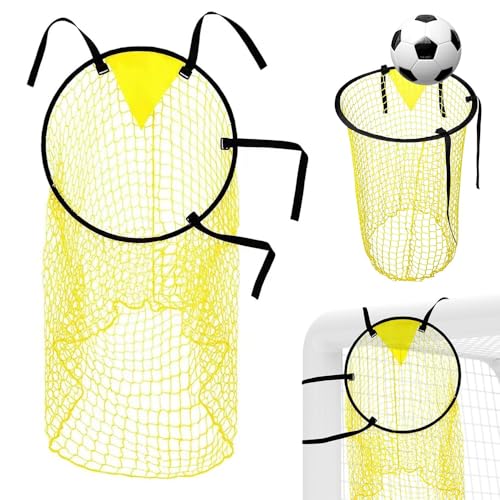
We track 38 goals under £100 on Amazon UK, priced from £7.59 to £92.99. Half of them sit at or below £34.99. 24 brands are represented; 2 of them tie for the most listings with 6 listings apiece. The cheapest is the Soccer Top Bins Goal Target Net With Adjustable Straps - Football Training Kicking Accuracy at £7.59, the dearest the FORZA 12ft x 6ft Football Goal | All Weather uPVC Garden Goals with Quick and Easy Assembly - Optional Training Football, Target Sheet & Carry Bag (1. Goal) at £92.99. That is 38 of the 41 goals we list in total. Ranking is by verified rating and review volume — never by commission.

Products

Prices and availability are accurate as of the date shown and may change. Always check the current price on Amazon UK before buying.

As an Amazon Associate we earn from qualifying purchases.

Why these picks

  • Ordering is mechanical: customer rating first, then review count, then a stable tie-break. Commission is not an input, and no listing can pay for a position.
  • 0 of the 38 listings carry a customer rating. Unrated listings are not hidden — they sort to the bottom, where you can still see them.
  • No brand quota is applied. Football Flick holds 6 of the 38 places because that is what the catalogue contains, not because it was favoured.
  • Prices and availability were last read from Amazon UK on 2026-11-01; 28 of the 38 were in stock at that point. Always check the live page before buying.
  • The ball's surface texture should be appropriate for the playing environment – a textured surface is beneficial on wet grass, while a smoother one works better on dry surfaces.
  • Consider the size of the player's hands when selecting a ball; a smaller ball will be easier to control for someone with smaller hands.
  • The ball's weight should complement the player's physicality and preferred playing style – a lighter ball suits quicker, more agile players, while a heavier one is better for those who rely on power.
  • Inspect the stitching pattern; consistent stitching generally indicates higher quality construction and improved durability.

Buying guide

What to look for

Ball Control Precision

The ability to accurately direct a pass or shot is paramount in football. This relates to the size and weight of the ball, and how consistently it responds to touch. A heavier ball may require more force, while a lighter one demands greater finesse. Buyers should consider the intended use – close control in tight spaces favours a smaller, lighter option.

Shooting Power & Accuracy

Generating power when striking the ball is crucial for goalscoring attempts. This is influenced by the ball's weight and surface texture. A textured surface provides more grip, allowing greater force to be transferred. However, excessive texture can hinder control. Buyers should assess how much power they require based on their playing style.

Ball Feel & Tactility

The subjective feel of the ball – its responsiveness and how it rolls – significantly impacts a player's confidence and ability to make decisions. This is related to the material composition and construction of the ball, influencing its bounce and drag characteristics. A consistent 'feel' promotes instinctive movements.

Ball Size & Weight Distribution

The overall size and distribution of weight within the ball directly affect its handling properties. A larger ball will naturally require more effort to control, particularly for players with smaller hands. The balance impacts rotational speed and stability during movement.

Common mistakes

  • Choosing a Ball Too Large for a Young Player — A larger ball is significantly harder for younger players to control effectively. The increased size demands greater strength and coordination, which developing limbs may lack. Buyers should prioritise a smaller ball designed specifically for children's feet – the circumference of the ball will be a key factor in determining suitability.
  • Over-Investing in a Premium Ball — While higher-quality balls can offer improved feel and durability, they aren't always necessary for recreational play. The differences in performance between entry-level and premium balls are often negligible for casual players. Buyers should assess their playing frequency and commitment before investing heavily.
  • Selecting a Ball Based Solely on Aesthetics — The appearance of a football is secondary to its functionality. Prioritising a ball with a visually appealing design over one that meets the core requirements for control, accuracy, and durability can lead to disappointment. The colour or pattern doesn't affect how the ball performs.
  • Ignoring Ball Degradation — Football surfaces degrade over time due to use and environmental factors. A ball that feels 'dead' or inconsistent might need replacing sooner than expected. Buyers should regularly inspect the ball for damage, particularly around seams, and consider replacement frequency based on playing conditions.

Frequently asked questions

How much do goals under £100 cost in the UK?
The 38 goals under £100 on this page run from £7.59 to £92.99, averaging £44.04. Half of them are listed at or below £34.99. Amazon UK prices move, so treat these as the figures at the last catalogue refresh rather than today's shelf price.
Which brands make goals under £100?
24 brands appear in this selection: Football Flick (6), FORZA (6), Happy Jump (4), Birtech (2), Agarte (1) and AzureHaven (1), plus 18 more. The number in brackets is how many listings each has here, not a ranking of the brands themselves.
How many goals are under £100?
38 of the 41 goals we list — about 93%. Everything outside that 93% is still on the main goals page; this page is a filtered view of it, not a separate catalogue.
What does 'dimpled' mean in relation to a football?
'Dimples' are small indentations on the ball's surface. They reduce drag when the ball is moving through the air, allowing for greater distance and accuracy during kicking. The number and depth of these dimples are critical specifications.
How does the material affect a football's bounce?
The material used in the ball's construction impacts its coefficient of restitution – essentially, how much it bounces back after impact. Synthetic materials generally offer more consistent bounces than leather, but this varies depending on the specific formulation.
Is there a 'best' time to buy a football?
Football production is seasonal. New stock typically arrives in spring and summer following the winter season. Buying towards the end of these periods might offer better deals as retailers clear out older models.

More in Football