
128.00 poundsPrice checked 5 Sept 2026View on Amazon UK(opens in a new tab)
Running · 10 products
We track 10 running shoes under £200 on Amazon UK, priced from £24.10 to £129.99. Half of them sit at or below £39.99. 9 brands are represented, led by Puma with 2 listings. The cheapest is the PUMA Unisex Flyer Runner Running Shoes, Puma Black Puma Black Puma White, 9.5 UK at £24.10, the dearest the ASICS Running shoes Gel-Quantum 180 Lite-Show at £129.99. That is 10 of the 11 running shoes we list in total. Ranking is by verified rating and review volume — never by commission.


Currently unavailable on Amazon UK
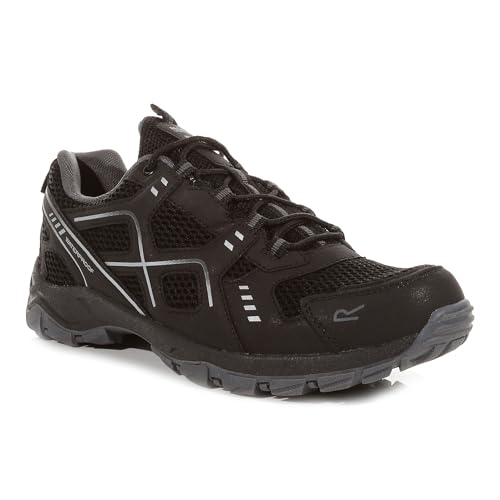
Currently unavailable on Amazon UK

Currently unavailable on Amazon UK

Currently unavailable on Amazon UK


Currently unavailable on Amazon UK


Currently unavailable on Amazon UK
Prices and availability are accurate as of the date shown and may change. Always check the current price on Amazon UK before buying.
As an Amazon Associate we earn from qualifying purchases.
Best value in each row is highlighted.
| Product | SalomonSalomon XA Pro 3D Gore-Tex Men's Trail Running Hiking Waterproof Shoes, Stability, Grip, and Long-Lasting ProtectionView on Amazon(opens in a new tab) | PumaPUMA Unisex Flyer Runner Running Shoes, Puma Black Puma Black Puma White, 9.5 UKView on Amazon(opens in a new tab) | Mountain WarehouseMountain Warehouse Jungle Mens Walking Shoes - Lightweight Running Shoes, Breathable, Comfortable, Flexible Gym Shoes - Spring Summer Hiking & Trekking Dark Blue Adult Shoe Size 9View on Amazon(opens in a new tab) | RegattaRegatta Mens Vendeavour Lace Up Waterproof Walking Shoes with Hardwearing Threads & TECFOAM Insock - Perfect for Outdoors, Hiking, Climbing & Mountaineering BlackView on Amazon(opens in a new tab) |
|---|---|---|---|---|
| Price | £128.00 | £24.10 (best value in this row) | £34.99 | £39.00 |
| Surface | trail | — | road | — |
| Waterproof | No | Yes | No | No |
| Cushioned | No | No | No | No |
| Buy | View on Amazon(opens in a new tab) | View on Amazon(opens in a new tab) | View on Amazon(opens in a new tab) | View on Amazon(opens in a new tab) |
Prices and availability are accurate as of the date shown and may change. Always check the current price on Amazon UK before buying.
As an Amazon Associate we earn from qualifying purchases.
Buying guide
Road shoes have flat, hard-wearing rubber for pavement. Trail shoes add deep lugs for grip on mud and loose ground, which feel clumsy and wear quickly on tarmac. Buy for where you actually run most weeks, not for where you intend to run.
Drop is the height difference between heel and forefoot, usually 0–12 mm. Lower drop shifts load toward the calf and Achilles; higher drop shifts it toward the knee. If your current shoes are comfortable, staying near their drop matters more than any specific number.
Feet swell over a run, so a thumb's width of space at the toe is normal rather than a sign the shoe is too big. Wide-fit versions exist for most models and are a different last, not simply a larger size.
A waterproof membrane keeps rain out and also keeps sweat in. For UK winter trail running it is often worth it; for summer road running it usually is not.